
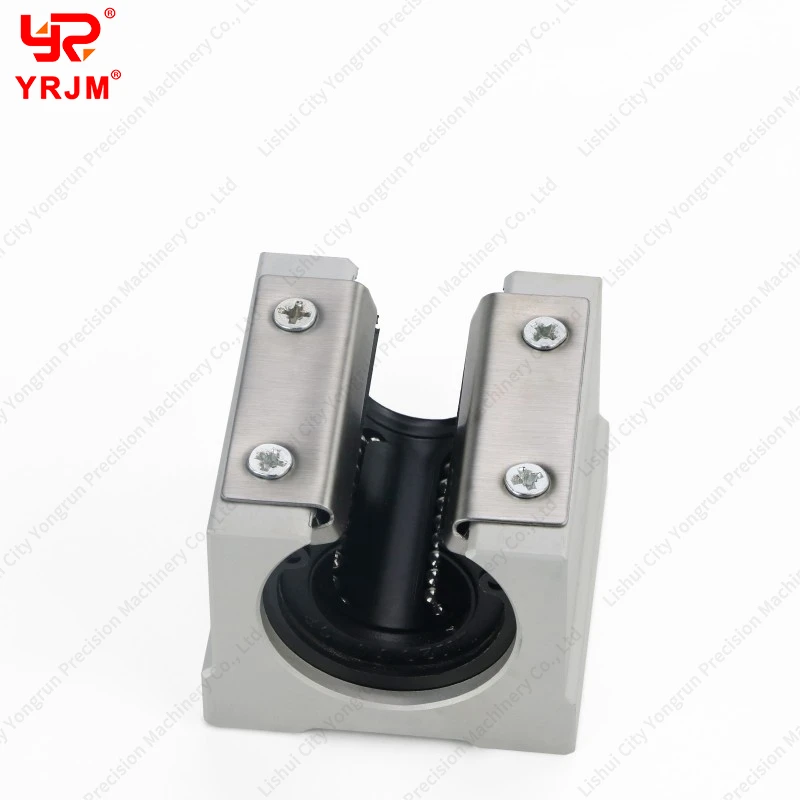
SBR linear sliders are widely used in industrial automation, CNC equipment, and linear motion systems. Some models feature an integrated pressure plate that provides mechanical clamping, helping secure the slider in position when required.
This design offers a practical solution for applications that require adjustable positioning, temporary locking, and stable mechanical support.
1. What Is a Pressure Plate in an SBR Linear Slider?
A pressure plate is a mechanical component designed to apply clamping force to an SBR linear slider assembly. Through its contact surface and fastening mechanism, it helps hold the slider securely in the desired position.
Depending on the slider design, the pressure plate can provide an integrated clamping interface without requiring additional external clamping components.
2. How Does a Pressure Plate Improve Clamping Performance?
Secure Positioning
When the clamping mechanism is engaged, the pressure plate helps prevent unwanted slider movement and maintain the required position.
Adjustable Clamping Force
The fastening pressure can be adjusted according to application requirements and the specific slider structure, allowing users to achieve suitable holding force.
Improved Operational Stability
Mechanical clamping helps maintain the slider's position during specific working processes, reducing unwanted movement caused by operational forces or vibration.
Convenient Installation
The integrated pressure plate provides a practical clamping solution for compatible SBR linear slider assemblies, simplifying installation and mechanical adjustment.
3. What Applications Benefit from SBR Pressure Plate Linear Sliders?
SBR linear sliders with pressure plates are suitable for applications requiring temporary positioning or mechanical locking, including:
Adjustable industrial fixtures
Manual positioning equipment
Industrial workstations
CNC auxiliary positioning mechanisms
Automation equipment requiring adjustable slider positioning